Homelab Renaissance: 21 Stacks, 200 Services, Full Autonomy
Homelab Renaissance: 21 Stacks, 200 Services, Full Autonomy. By Erwan Rougeux. October 25, 2025, Sunway University, Kuala Lumpur, Malaysia. Fork It Community.
Who am I?
VP, International Growth @ Clever Cloud (sovereign PaaS).
Passionate about software development & cloud architecture; open-source and privacy advocate.
Love privacy-by-design.
Productively paranoid: if it's not self-hosted, encrypted, and monitored, I don't sleep.
The shift: from owning to renting
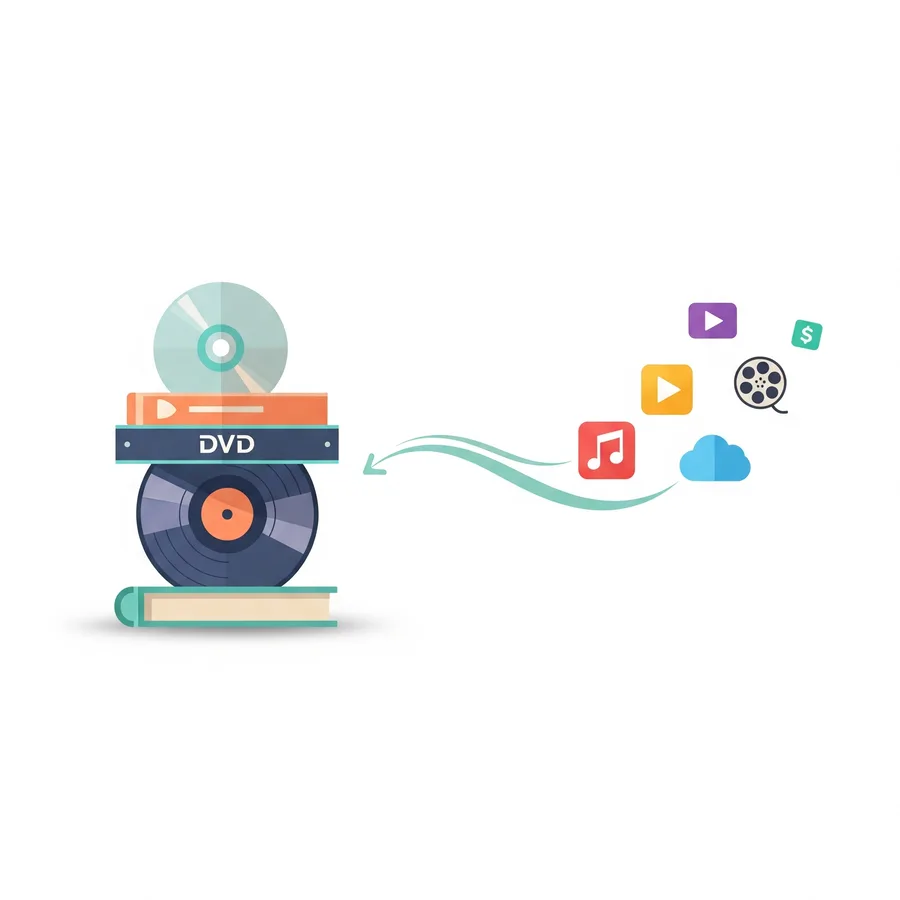
- We used to own CDs, DVDs, books → local, offline, durable.
- Now: streams, subscriptions, pay-per-use, geo-locks.
- Access can be revoked; data gets extracted; costs creep up.
- Privacy & resilience suffer.
Why self-hosting?
- Control: data locality, portable formats, reversible choices.
- Cost: avoid subscription sprawl; reuse commodity hardware.
- Privacy: reduce data exhaust; least-privilege access.
- Resilience: independent recovery path; fewer external dependencies.
Architecture overview
- Ingress: Traefik (TLS), Keycloak (SSO/MFA), CrowdSec (reputation).
- Orchestration: Docker + Portainer (per stack).
- Network privacy: Pi-hole + Unbound, Gluetun (egress VPN).
- Access: Tailscale & Headscale (LAN-over-WAN).
- Storage: Unraid + ZFS (SSD cache → HDD pool).
- Observability & DR: Prometheus/Telegraf + Grafana; ZFS replication.
Stack map
- Security & network: Traefik • Keycloak • CrowdSec • Pi-hole • Unbound • Gluetun • Tailscale/Headscale
- Orchestration & storage: Docker • Portainer • Unraid • ZFS
- Data & collaboration: Nextcloud • OnlyOffice • Imaginary • Full-Text Search • ClamAV • Redis • DB
- Media & streaming: Radarr • Sonarr • Lidarr • Readarr • Prowlarr • FlareSolverr • Calibre-Web/CalibreVNC • AutoM4B • Plex • Kodi
- Home & sensing: Home Assistant • Grocy • ebusd • ESPHome • Node-RED • MQTT • Speedtest Tracker • Signal
- AI & dev: Ollama • Open WebUI • code-server
- CCTV: Frigate • go2rtc
- Passwords: Vaultwarden (OTP stored elsewhere)
- Sensors & lab: InfluxDB (Mycodo)
What it looks like
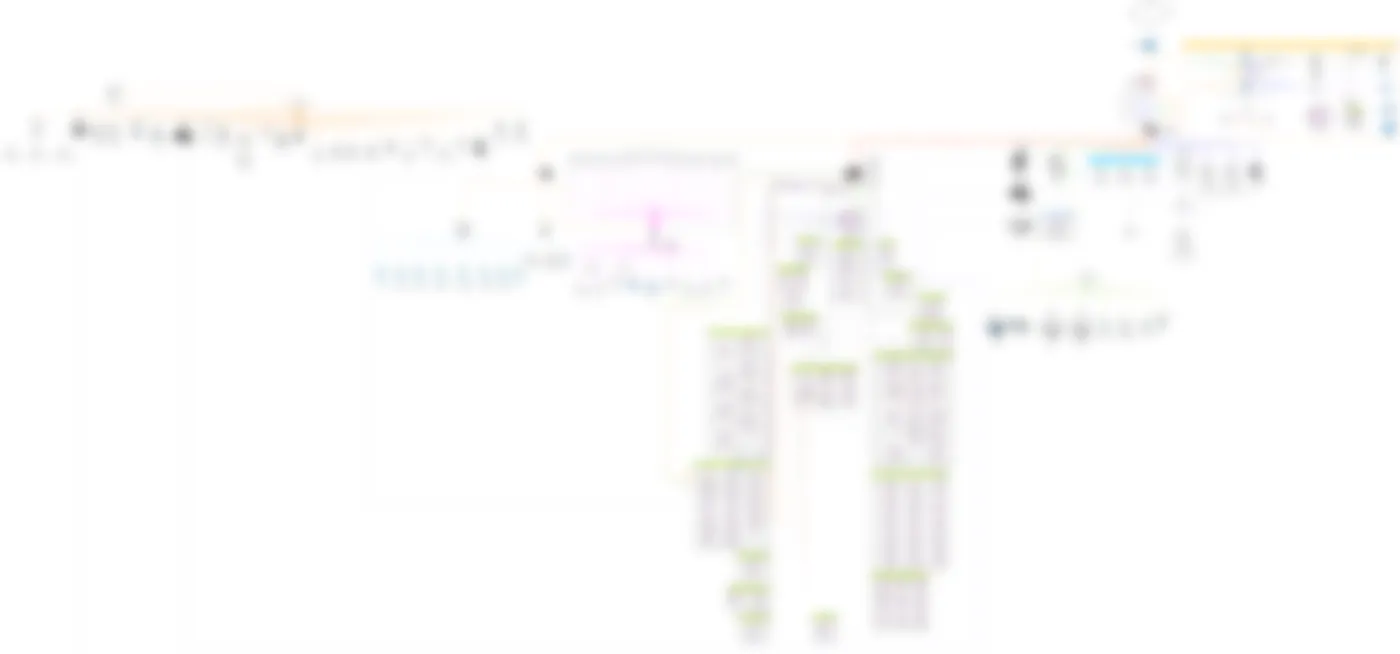
The real map, deliberately blurred: addresses and hostnames stay at home.
Some stacks
In depth
Personal files
- Nextcloud as the personal hub (files / photos / mobile sync).
- OnlyOffice for docs; Full-Text Search; Imaginary for images.
- ClamAV / Redis / DB behind the scenes; quotas & lifecycle rules.
- Backups per dataset (ZFS snapshots → replicated).
Media & streaming
- *arr pipeline: Prowlarr/FlareSolverr → Radarr/Sonarr/Lidarr/Readarr.
- Libraries & metadata (Calibre, LazyLibrarian, Calibre-Web, AutoM4B).
- Plex for remote playback; Kodi DB on the TV.
- Compliance: personal-use copies of media I own; no redistribution; I comply with French and local laws.





Home automation & sensing
- Home Assistant + Node-RED scenarios; ESPHome devices.
- Frigate + go2rtc + Coral TPU for CCTV.
- ebusd for heating; MQTT as the glue.
- Speedtest Tracker; push alerts via Signal.
- Mycodo + InfluxDB for the mushroom lab (sensors, graphs, alarms).
AI, dev & specialty stacks
- Ollama + Open WebUI: local LLMs, private by default.
- code-server: edit configs safely from a browser.
- Manyfold: asset manager for 3D models; Foundry VTT for tabletop RPG.


How to operate it?
~1h / week
Operate it in ~1h / week
- Upgrades (per stack):
docker compose pull && docker compose up -d(pinned tags). - Health: Grafana alerts; a quick glance when I'm at my desk.
- Front-door sanity: test 1–2 Traefik routes; Keycloak MFA; CrowdSec anomalies.
- Storage & quotas: Nextcloud usage / pool capacity panels.
- ZFS snapshots & sends are automated by cron.
Underlay: hardware, storage, orchestration
- Main host (~10 years old): 64 cores, 256 GB RAM.
- 12 × 12 TB HDD + 8 × 1 TB SSD; Unraid + ZFS (SSD cache → HDD).
- Docker everywhere; Portainer templates & visibility.
- Secondary host (older 4 TB disks) as ZFS replication target.
Full autonomy* — the explicit exception
- I self-host ~200 services for my digital life… except email.
- Solo email is hard: deliverability & IP reputation, DKIM/SPF/DMARC, blocklists, inbound spam filtering, rDNS, 24/7 uptime.
- Pragmatic setup: own the domain; outsource mailboxes; optionally mirror IMAP locally; use a trusted SMTP relay for notifications.
The goal isn't No-Cloud; it's Know-Cloud.
Happy to share templates, compose files, and the weekly runbook.